Retro Gaming 101

New here? Start with the basics.

NES, SNES, N64 — if those letters mean nothing to you, you’re in the right place. This is a plain-language tour of the classic consoles, the words fans throw around, and how the whole era fits together.

The Hardware

Consoles

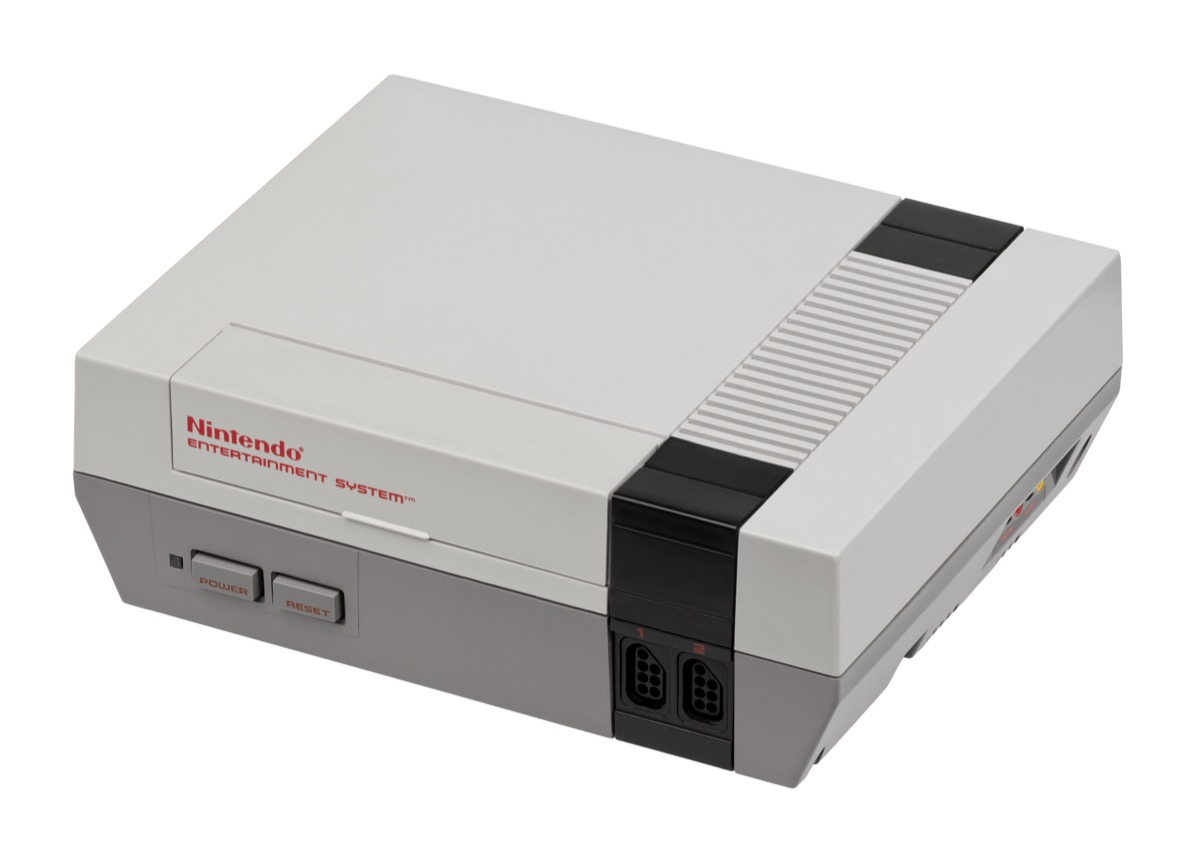
Nintendo Entertainment System console
Photo: Evan-Amos · Public domain

NES

8-bit · Nintendo · 1985

Nintendo Entertainment System

The console that revived home gaming after the 1983 crash. Its gray box and rectangular controller became the template for everything that followed.

It established Nintendo’s dominance and introduced Mario, Zelda, and Metroid — franchises still running today.
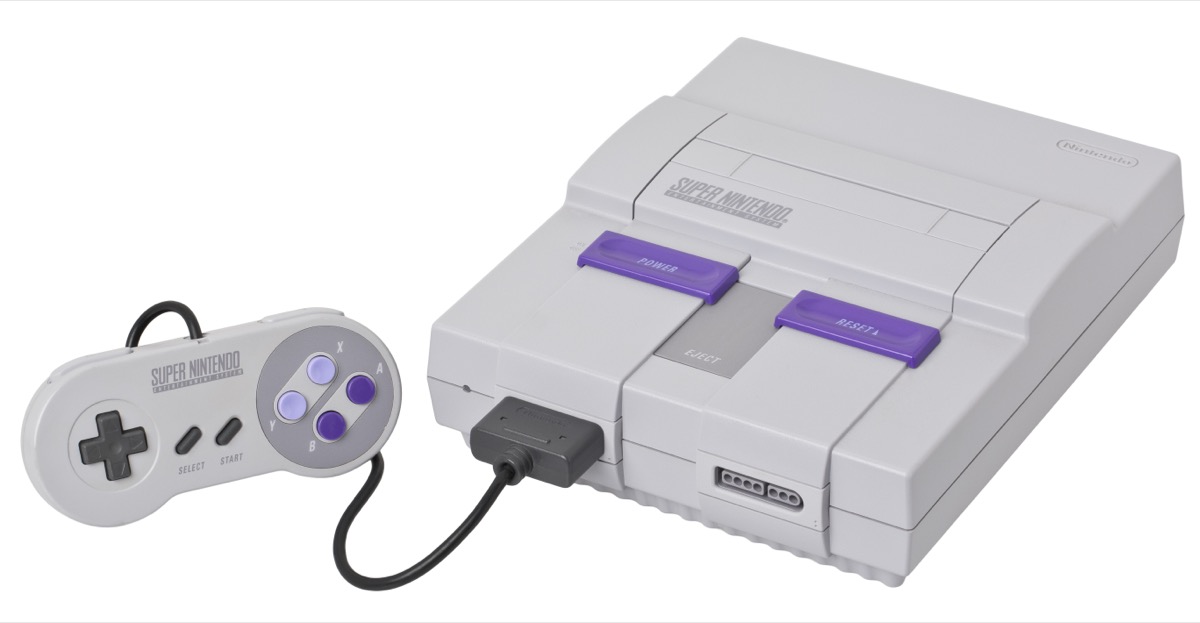
Super Nintendo Entertainment System console
Photo: Evan-Amos · Public domain

SNES

16-bit · Nintendo · 1991

Super Nintendo Entertainment System

Nintendo’s 16-bit follow-up, with far richer color, layered scrolling backgrounds, and a sound chip that gave games a fuller, moodier score.

It’s home to some of the most celebrated games ever made — Super Metroid, Chrono Trigger, and A Link to the Past.

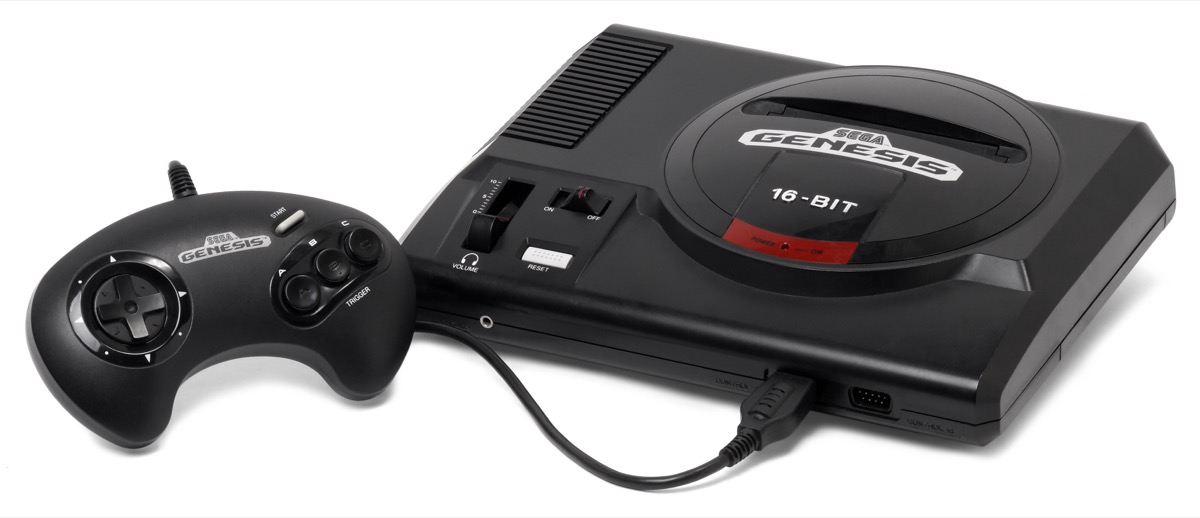
Sega Genesis / Mega Drive console
Photo: Evan-Amos · Public domain

Genesis

16-bit · Sega · 1989

Sega Genesis / Mega Drive

Sega’s 16-bit machine — called Mega Drive outside North America — built a reputation on fast action and an edgier, arcade-first attitude.

Its “Genesis does what Nintendon’t” rivalry with the SNES defined the 16-bit console war, and it gave Sonic his start.

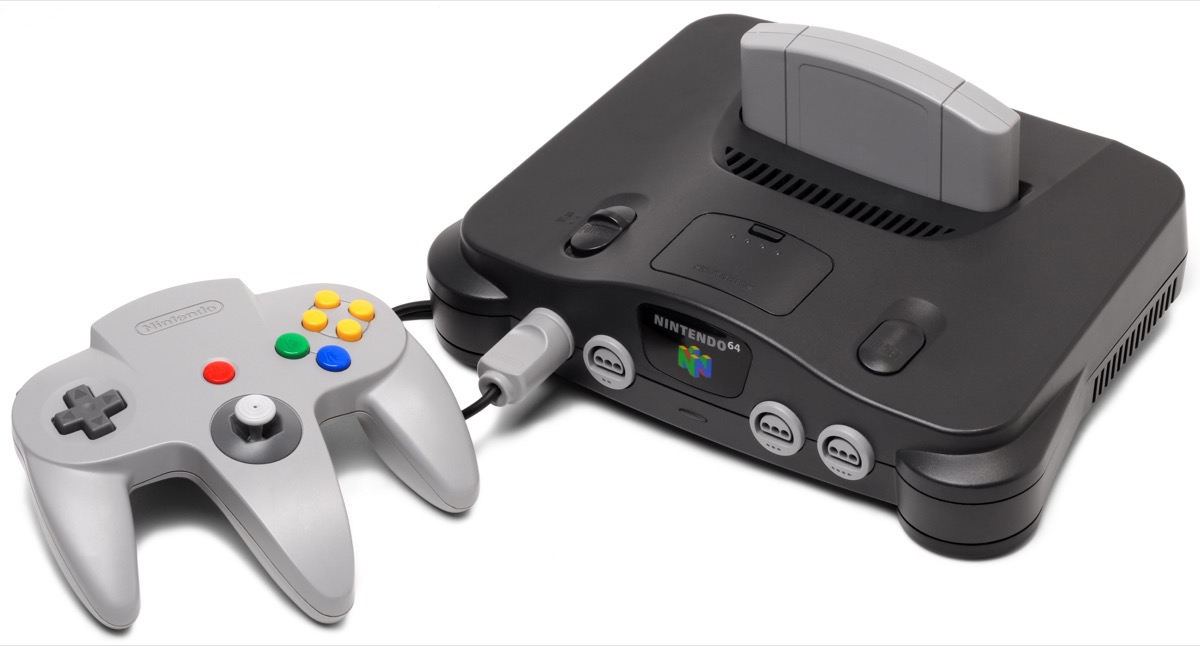
Nintendo 64 console
Photo: Evan-Amos · Public domain

N64

64-bit · Nintendo · 1996

Nintendo 64

Nintendo’s 64-bit console, among the first to bring smooth 3D worlds and an analog stick into living rooms.

Super Mario 64 and Ocarina of Time rewrote the rules for 3D platformers and adventure games.

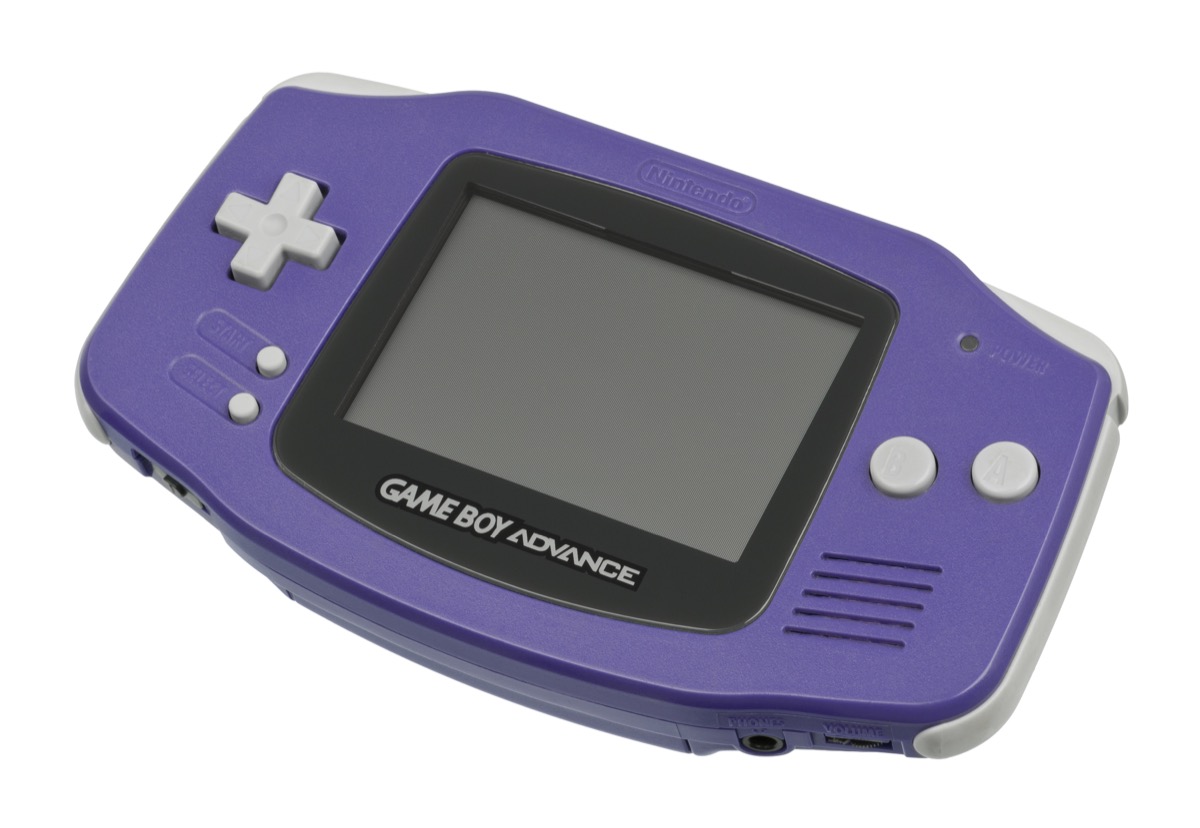
Game Boy Advance console
Photo: Evan-Amos · Public domain

GBA

32-bit · Nintendo · 2001

Game Boy Advance

A 32-bit handheld that squeezed near-SNES-quality games into your pocket, with a deep library of ports and originals.

It made portable gaming a serious platform and carried classics like Metroid Fusion and Fire Emblem.

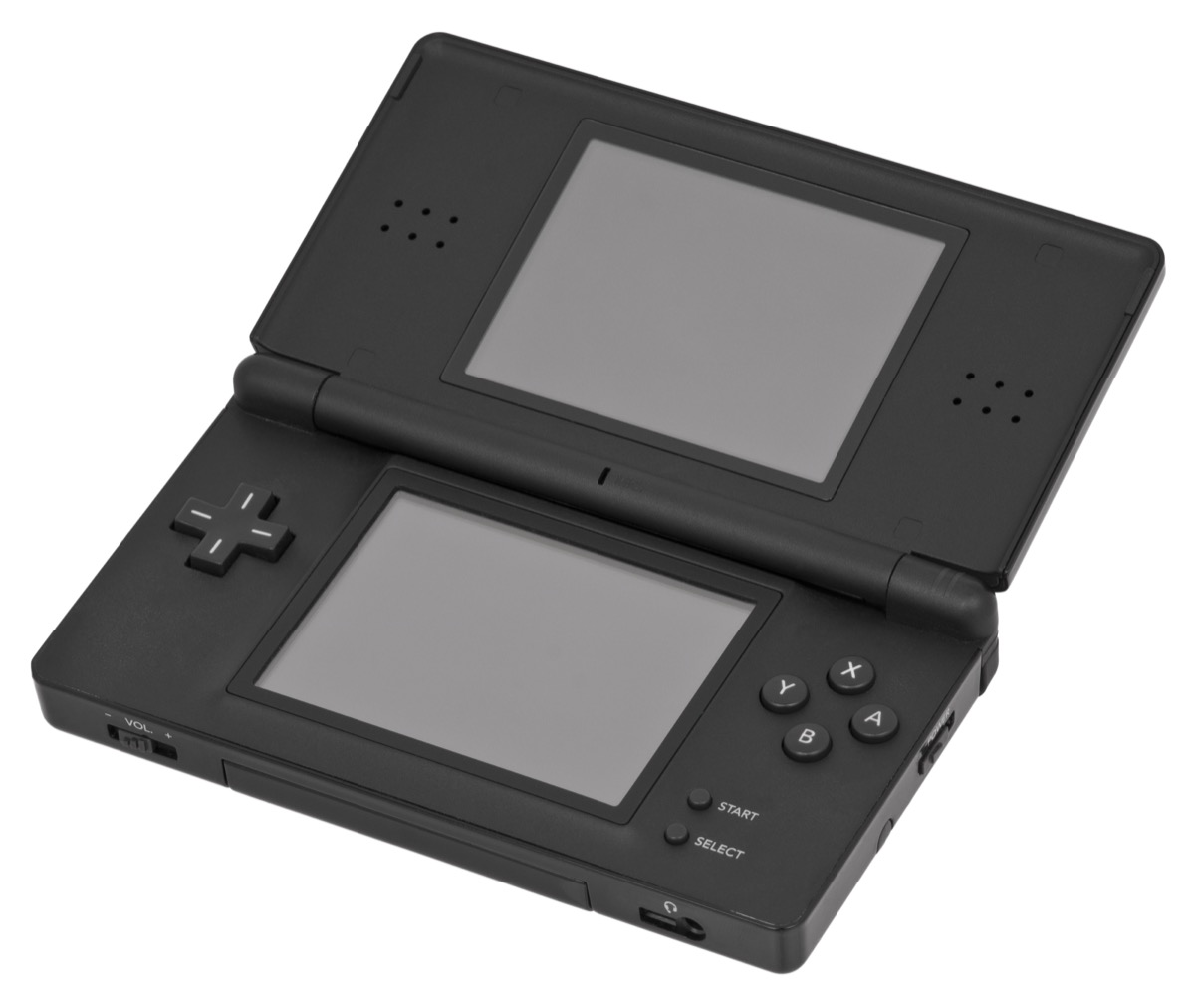
Nintendo DS console
Photo: Evan-Amos · CC BY-SA 3.0

Nintendo DS

Dual-screen handheld · Nintendo · 2004

Nintendo DS

The dual-screen handheld with a touch screen and stylus, opening games up to entirely new kinds of controls.

One of the best-selling systems of all time, it proved touch and experimentation could reach a huge new audience.

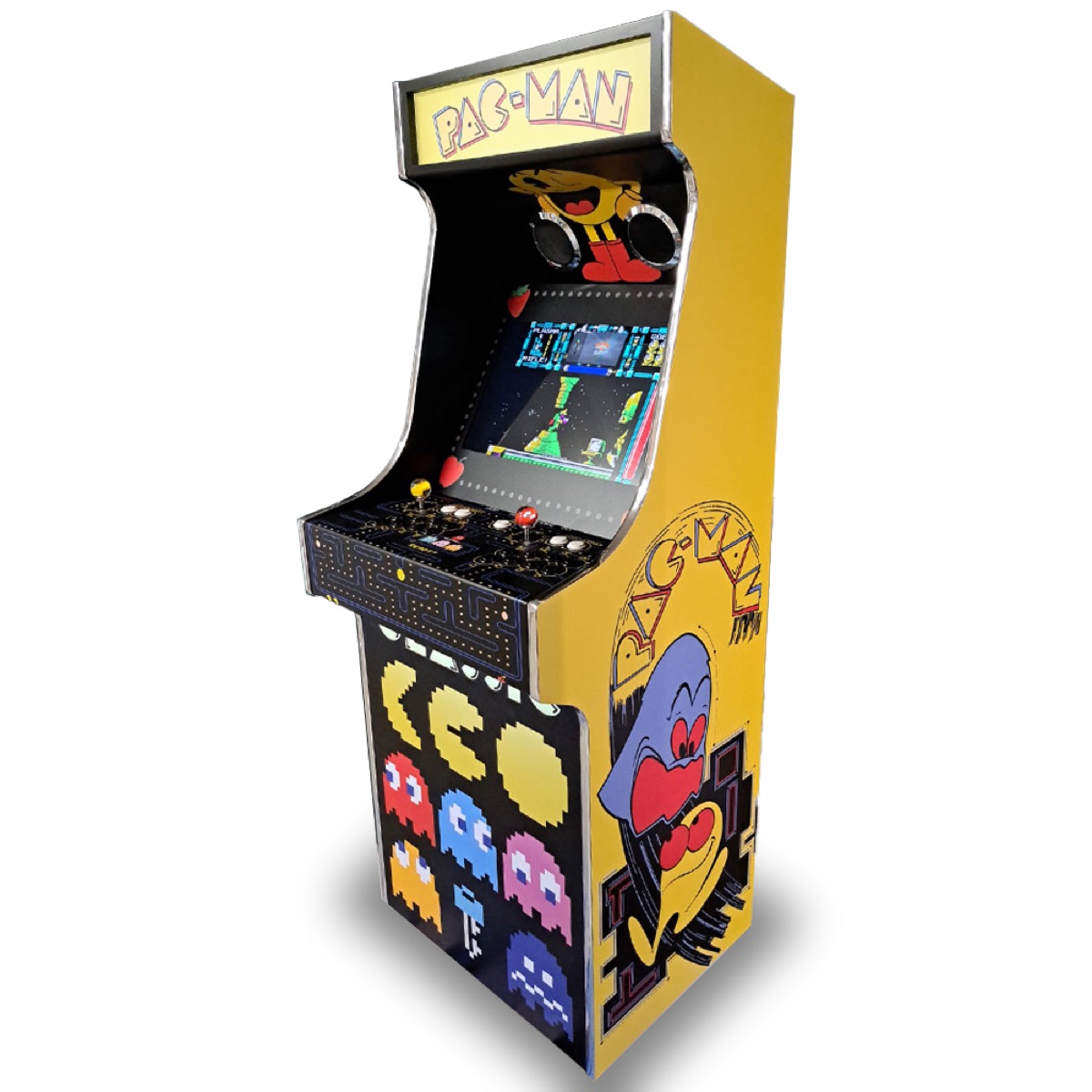
Pac-Man arcade cabinet
Photo: Fan de Rétro · CC BY 4.0

Arcade

Coin-op · Various makers · 1970s–1990s

Coin-operated arcade cabinets

Not a home console at all — coin-operated cabinets built for public spaces like arcades and pizza parlors, each often running custom hardware tuned to a single game.

Arcades were where many genres were born, pushing graphics and sound years ahead of what home machines could do.

Not in the playable catalog — yet

Speak the Language

Gaming Terms

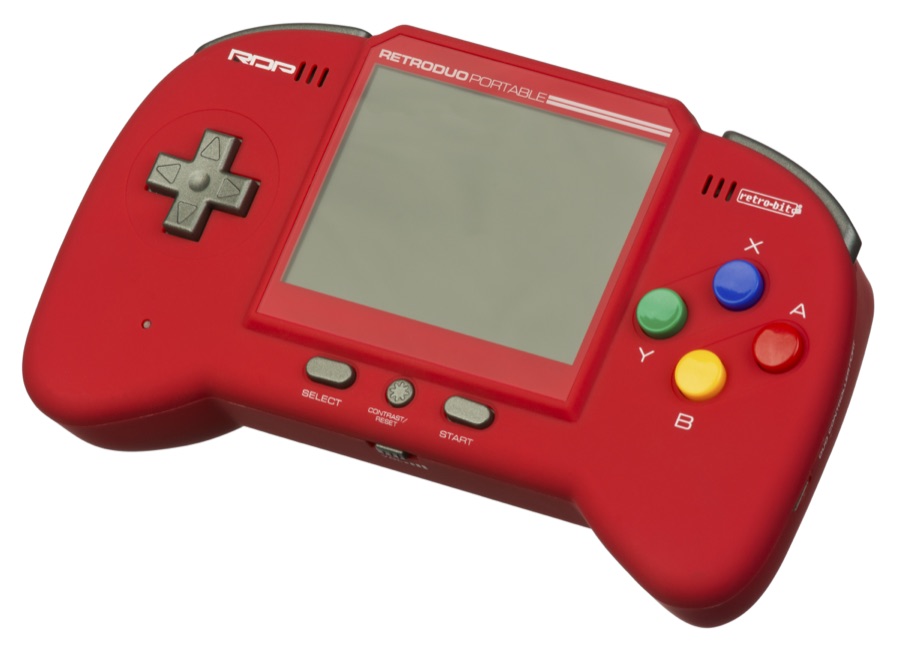
A modern handheld console that plays retro cartridges

Emulator

Software that mimics old game hardware on a modern device, so a program written for a 1990 console can run on your laptop or phone.

Photo: Evan-Amos · Public domain

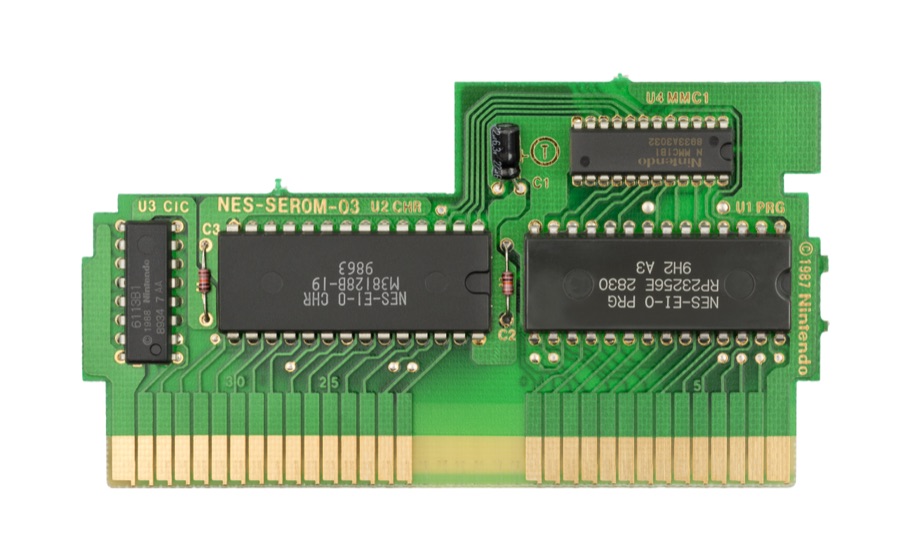
An NES cartridge circuit board exposing its ROM chips

ROM

Short for “read-only memory” — a digital copy of a game originally stored on a cartridge or disc. Emulators load ROMs to play the game.

Photo: Evan-Amos · Public domain

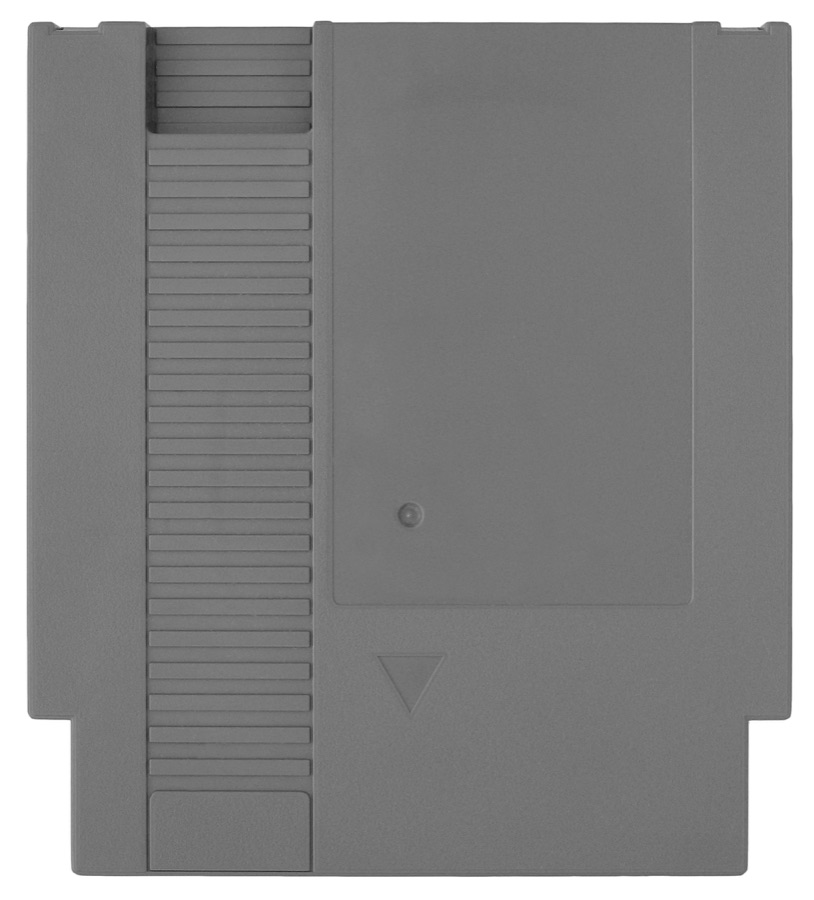
A gray NES game cartridge

Cartridge

A plastic housing holding a game’s chips that slots directly into a console — instant loading and durable, the standard before discs.

Photo: Evan-Amos · Public domain

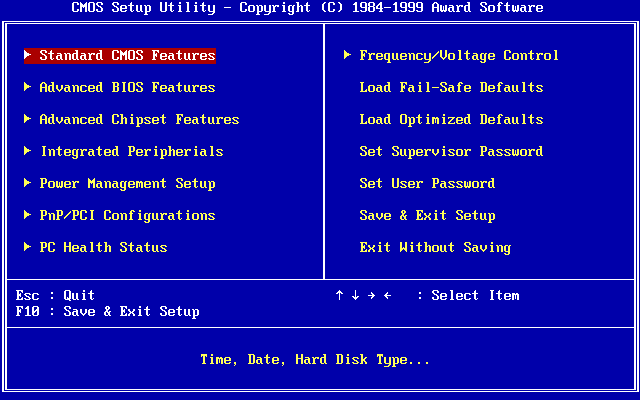
A classic blue BIOS / CMOS setup utility menu screen

BIOS

Low-level start-up software built into a console. Some systems need a copy of their BIOS for an emulator to boot games accurately.

Photo: Award Software · Public domain

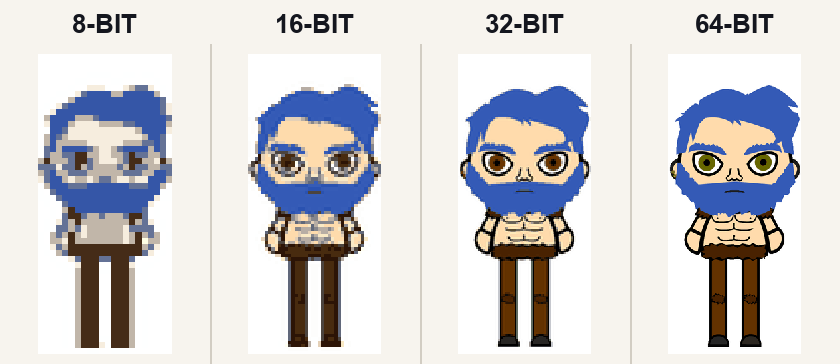
The same character shown at 8, 16, 32 and 64-bit — from blocky few-colour pixels to smooth detail

8 / 16 / 32 / 64-bit

A rough shorthand for a console’s generation and power. More bits generally meant more colors, bigger worlds, and smoother motion — from 8-bit (NES) to 64-bit (N64) and beyond.

Photo: Kurt Kaiser (adapted) · CC0

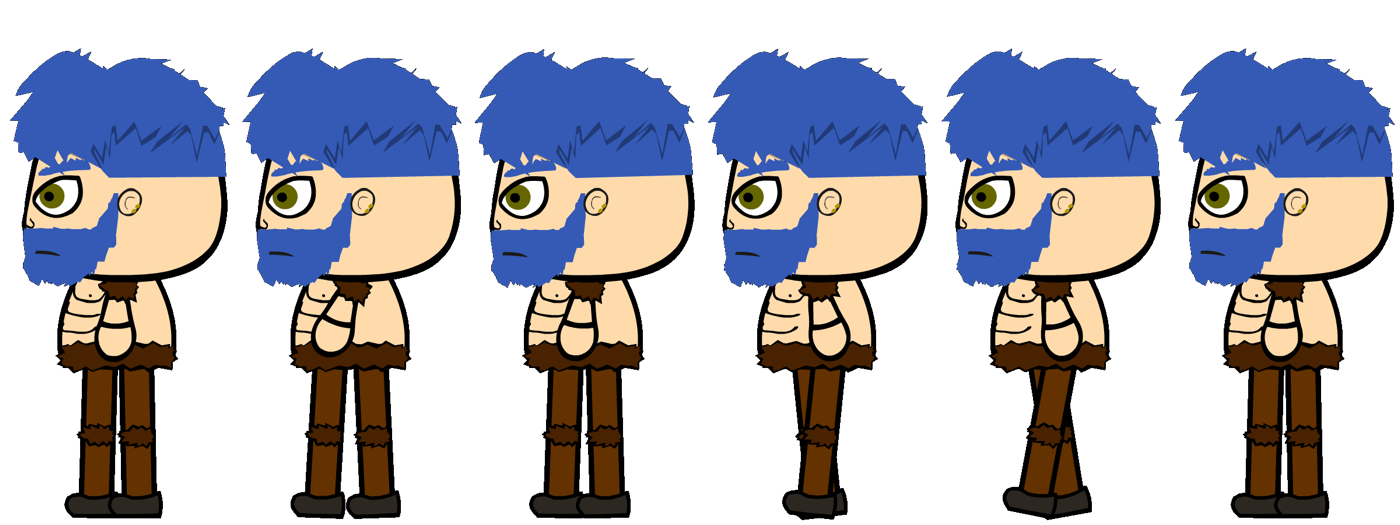
A sprite sheet — the frames of a character's walk cycle laid out in a row

Sprite

A 2D image — a character, enemy, or object — drawn and moved around the screen. Classic 2D games are built almost entirely from sprites.

Photo: Kurt Kaiser · CC0

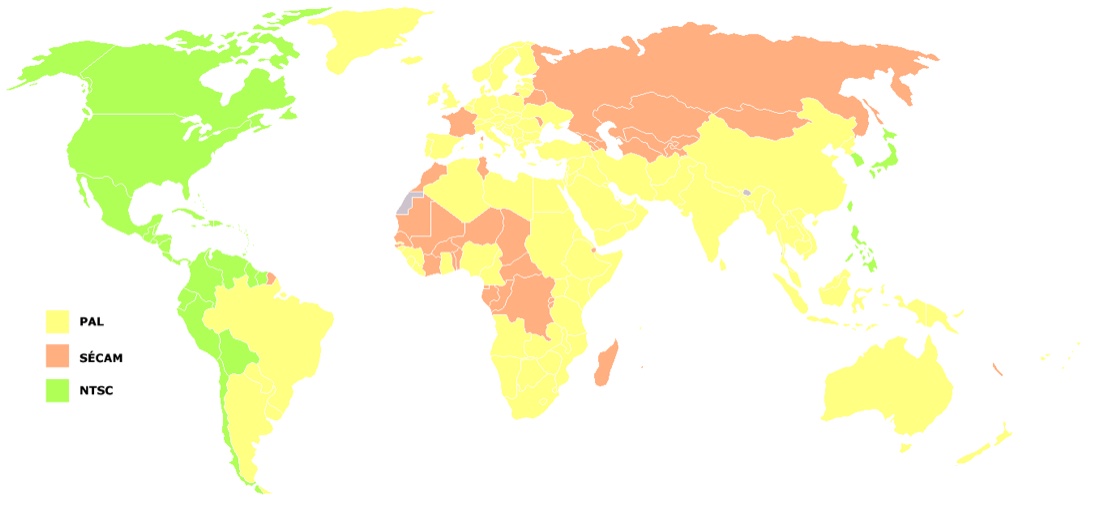
World map of analog TV systems with a legend — NTSC, PAL and SECAM regions

Region (NTSC / PAL)

Older consoles were tied to regional TV standards: NTSC in North America and Japan, PAL across much of Europe. Games and hardware often didn’t cross over.

Photo: MrWeeble · CC BY-SA 3.0

How It Unfolded

Timeline

  1. Milestone
    1983
    North American video game crash
  2. NES console
    1985
    NES
  3. Genesis console
    1989
    Genesis
  4. SNES console
    1991
    SNES
  5. N64 console
    1996
    N64
  6. GBA console
    2001
    GBA
  7. Nintendo DS console
    2004
    Nintendo DS
  8. Milestone
    2004
    Touch-screen handhelds arrive